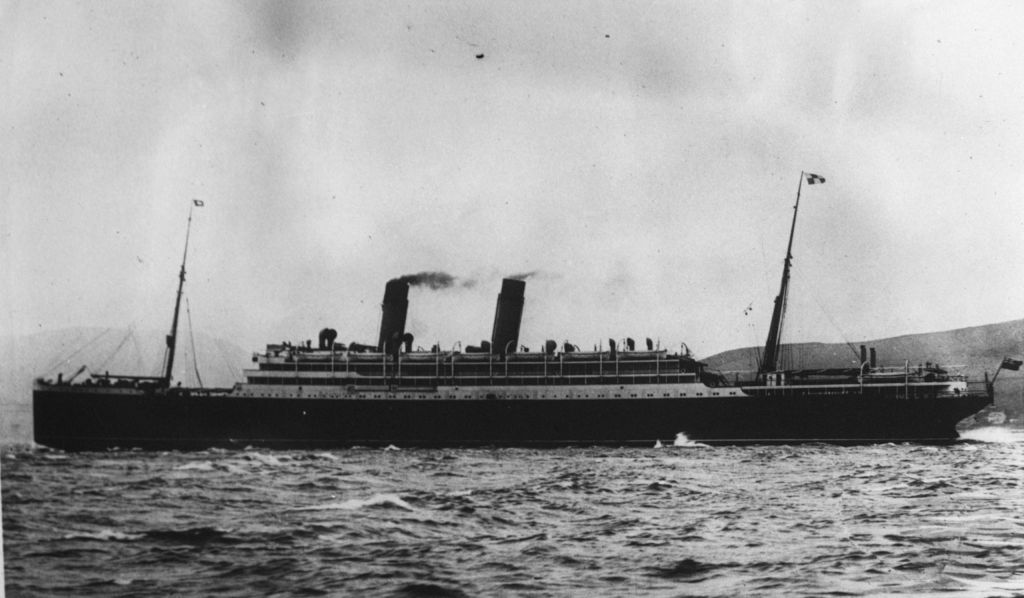
The ship had enough lifeboats. The shore was only a few miles away. But in the darkness of 29 May 1914, a collision turned an ocean liner into a trap. Fourteen minutes later, Empress of Ireland was beneath the St. Lawrence River.
Reading time: approximately 6 minutes. Historical cover photograph: Agence Rol, circa 1914 / Bibliothèque nationale de France, via Wikimedia Commons. Public domain. The photograph shows the ship before the disaster.
The Atlantic crossing had barely begun.
On 28 May, Empress of Ireland left Quebec City for Liverpool. Aboard were passengers travelling in three classes, along with the crew who would carry them across the ocean. In all, 1,477 people began the journey.
They had destinations. They had arrangements for what would happen when they arrived.
Before the following morning, most would be dead.
For eight years, the liner had been part of the route between Britain and Canada. She carried travellers, mail and immigrants beginning new lives. Her name belonged to departures and arrivals, to people waiting on docks, to journeys completed.
She was a substantial ship, about 170 metres long. To a passenger looking up from the quay, her size must have offered reassurance.
But size is a promise the water never makes.
Only two years had passed since Titanic sank. That disaster had made a simple question impossible to ignore: were there enough boats?
On Empress of Ireland, there were.
The Salvation Army’s historical account records Captain Henry George Kendall reassuring passengers that the lifeboats could accommodate approximately 2,000 people, more than the number aboard.
It was a comforting answer. It did not answer a different question.
Would there be time to reach them?
Among the passengers was a Canadian Salvation Army delegation travelling to an international congress in London. Their departure had been a public celebration, with music, crowds and waving handkerchiefs.
They were setting out together for something important. Within hours, that shared journey would become a shared catastrophe.
The contrast is difficult to hold in the mind: a band playing for a departure, then the same journey remembered through funerals.
That first night, passengers retired to their cabins. The liner continued along the St. Lawrence towards the open Atlantic.
Then visibility deteriorated.
In the early hours of 29 May, Empress of Ireland and the Norwegian coal ship Storstad encountered one another in fog.
Fog takes away more than the horizon. It removes the distance that lets a person understand danger. Something can be close without appearing close. A moving ship can remain hidden until the space between two vessels has already become too small.
The collision came at about two in the morning.
Storstad struck the liner’s starboard side.
Water entered through the damage. Empress of Ireland began to list.
The story now becomes a matter of minutes.
There would be no long interval in which everyone could gather on deck, understand the emergency and wait for instructions.
The ship was changing beneath the people inside her.
Imagine waking in a cabin and finding that the floor no longer feels level. Imagine trying to decide whether to dress, find a companion or leave immediately. This is an imagined reconstruction of the predicament, not the recorded experience of a particular passenger.
That uncertainty is part of what makes a rapid sinking so terrible.
The people aboard do not begin with the knowledge historians possess. They do not know that the ship will disappear in fourteen minutes. They must discover the emergency while it is already taking away their chances.
The list developed so quickly that many passengers and crew never reached safety.
The boats were there. The time was not.
In Andrea Doria: Eleven Hours Before the Sea Took Her, a collision also left part of the lifeboat system unusable. Rescuers had hours; aboard Empress of Ireland, the emergency unfolded in minutes.
Fourteen minutes is an ordinary piece of a day. A short walk. A telephone conversation.
For the people aboard Empress of Ireland, it contained the collapse of everything that had seemed certain: the cabin, the passage to the deck, the vessel carrying them towards England.
Then the liner sank.
Of the 1,477 people aboard, 465 survived. The other 1,012 were lost.
In Canada, the news turned a departure into a search for names.
For the Salvation Army, the losses reached deep into its leadership and musical community. Its historical account records 124 Salvationists among the dead, including 29 members of the Canadian Staff Band.
The organisation that had sent people away with music now assembled to mourn them.
An official inquiry followed.
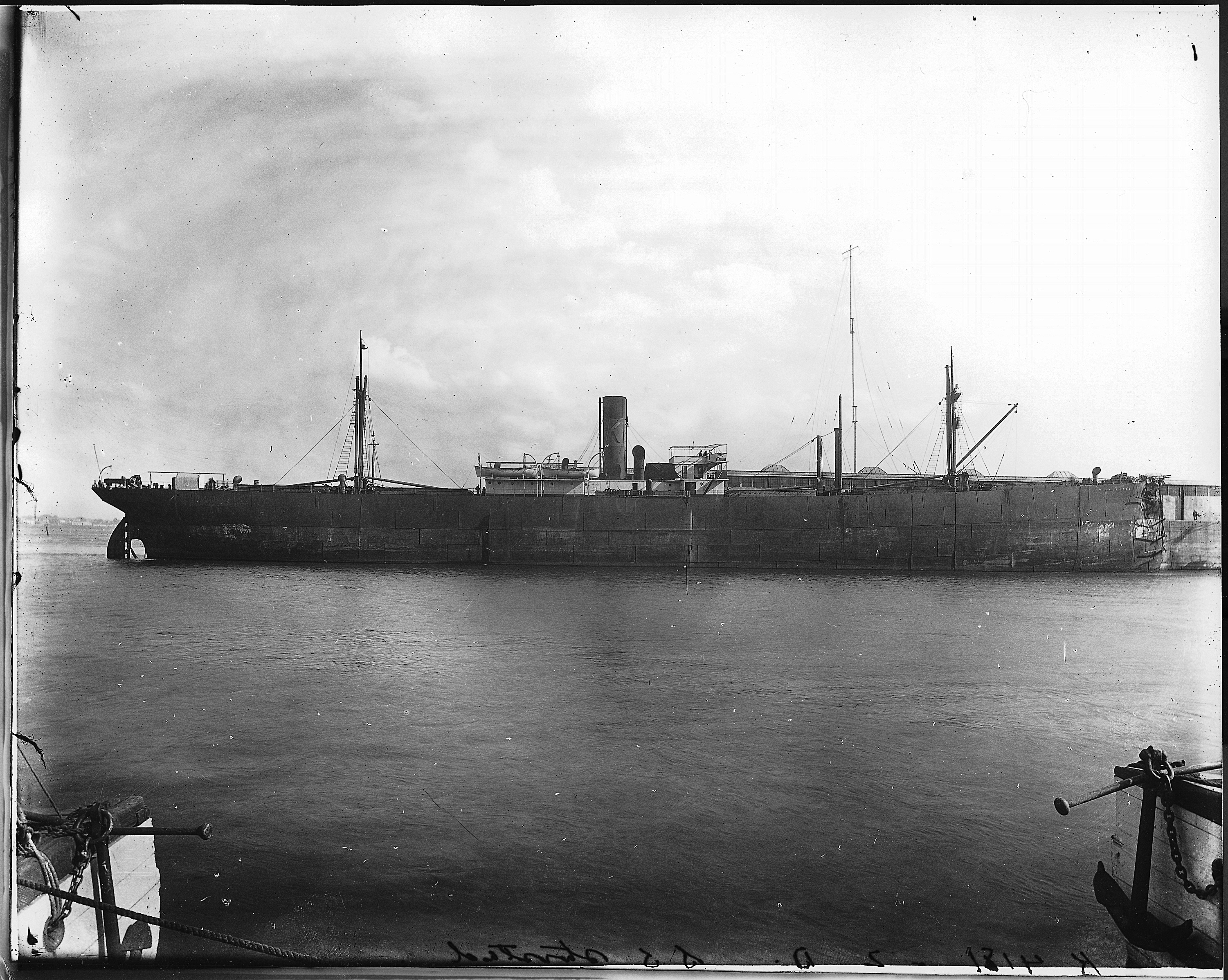
The Canadian commission examined the collision and attributed blame to Storstad’s chief officer, concluding that the coal ship had changed course in a way that caused the impact.
Its recommendations included closing watertight doors during foggy conditions and placing rafts on upper decks so they could float free when a vessel sank.
These were practical responses to a disaster whose speed had made ordinary escape arrangements so difficult to use.
An inquiry could establish responsibility and propose changes. It could not restore the minutes that had been lost.
Today, the wreck lies on the riverbed near Rimouski, approximately 8.3 kilometres offshore. Parks Canada describes a remarkably complete surviving ocean liner, resting on her starboard side.
The distance from shore is haunting.
This was not a ship lost beyond all hope of reaching land. Land was nearby. Yet proximity could offer little protection against flooding, darkness and a vessel sinking faster than so many people could escape.
The story of Empress of Ireland remains frightening because so much appeared reassuring.
A familiar route. A large liner. Enough lifeboats. A journey that had scarcely begun.
Then a collision in fog changed the meaning of every corridor and every doorway.
Before the night was over, more than a thousand journeys had ended.
The lifeboats had been counted. The minutes could not be saved.
For another account of passengers trapped on a rapidly sinking liner, read Wilhelm Gustloff: The Night the Baltic Became a Grave—a wartime disaster caused by torpedoes in the Baltic Sea.
If this story moved you, share it with someone interested in maritime history, and subscribe to Dark Stories for more stories of lives changed at sea.
Sources
Parks Canada: Wreck of RMS Empress of Ireland National Historic Site; Canada Year Book 1914: the collision and official inquiry; The Salvation Army: The Demise of an Empress; National Film Board: Journey to Oblivion.


Leave a Reply