Before dawn, Danielle emailed her mother. There was a hurricane ahead, she explained, and their ship was heading straight into it. She ended with three ordinary words: “Love to everyone.”
Less than four hours later, El Faro was gone.
Danielle was the ship’s second mate. She understood charts, weather reports and the decisions that kept a vessel safe. During the night, she had called the captain to discuss changing course. Now, at 3:53 in the morning on 1 October 2015, she was telling her mother how bad things had become.
The storm ahead
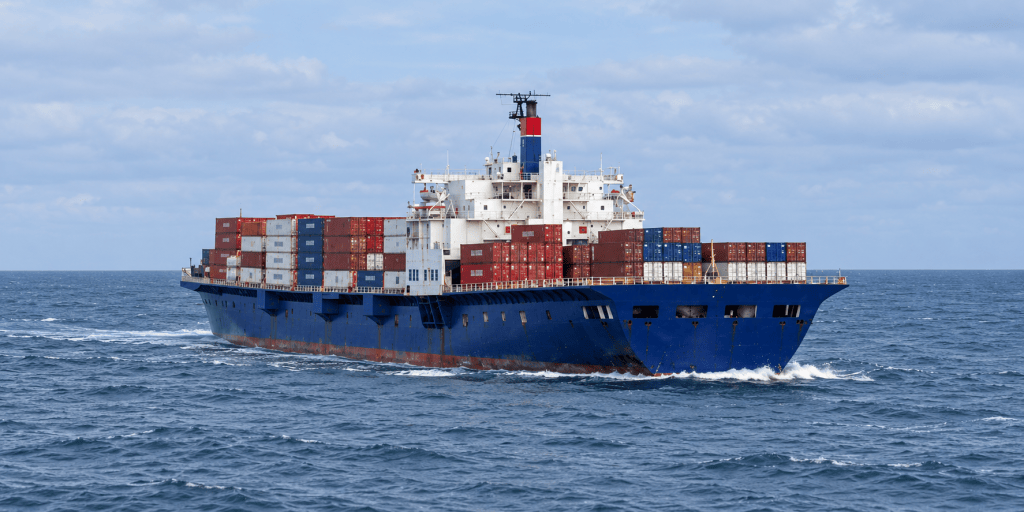
El Faro had left Jacksonville, Florida, two evenings earlier, carrying vehicles and containers to Puerto Rico. Thirty-three people were aboard. The captain knew Tropical Storm Joaquin was out there. His plan was to pass south of it.
But Joaquin strengthened into a hurricane, and the information guiding the voyage did not tell one consistent story. The weather program the captain favoured displayed storm information that was already hours old. More current warnings reached the bridge through other channels.
That difference mattered. A safe-looking route on an older forecast could lead towards danger on a newer one.
Officers questioned how close they would come. The third mate called the captain twice late that evening and proposed heading farther south. The captain did not approve that diversion.
By the time Danielle took the watch, the hurricane was moving towards their intended track. The remaining choices were becoming harder.
When the engine stopped
Water entered a cargo hold through an open watertight access hatch and damaged seawater piping. As the ship leaned, the list disrupted the supply of lubricating oil to the main propulsion machinery.
Then El Faro lost propulsion.
The crew now faced a hurricane without the power they needed to manoeuvre their ship. More water could enter through unsecured ventilation openings. Flooding and the loss of propulsion compounded each other.
There were lifeboats aboard, but their presence offered no assurance of escape. They were open boats, unsuitable for the conditions the crew faced. The later investigation found that the ship’s severe list and the weather made boarding or launching them unlikely.
For the people aboard, each failure narrowed the possibilities: keeping the vessel afloat, restoring propulsion, reaching somewhere safer, getting away.
At 7:29, the captain ordered everyone to abandon ship.
On the bridge, a seaman struggled to move. The captain urged him towards him. The recording captured the effort to get across a ship that was going down.
At 7:39, the sound ended.
Nobody survived. Danielle’s message remained with her family; her voice remained in the evidence recovered from the ship.
The decisions left behind
The Coast Guard concluded that taking El Faro too close to Hurricane Joaquin was the primary cause of the disaster. Its findings also reached beyond the bridge: failures in company safety management, inspections and regulatory oversight had contributed.
The investigation described a preventable loss. That conclusion leaves a difficult question for anyone reading the final exchanges: how many opportunities to protect these people had existed before their survival depended on escaping a sinking ship in a hurricane?
Danielle’s email gives the story its human scale. She was still explaining the weather to her mother. Still sending love home.
The next message never came.
Continue reading: Herald of Free Enterprise: The People Who Reached Back · Estonia: The Night the Floor Became a Wall.
If this story stayed with you, share it.
Sources and image credits
NTSB, Marine Accident Report MAR-17/01 (including the recorded timeline and Danielle’s emails); NTSB, Illustrated Digest SPC-18-01; NTSB investigation findings; U.S. Coast Guard, Final Action Memo announcement.
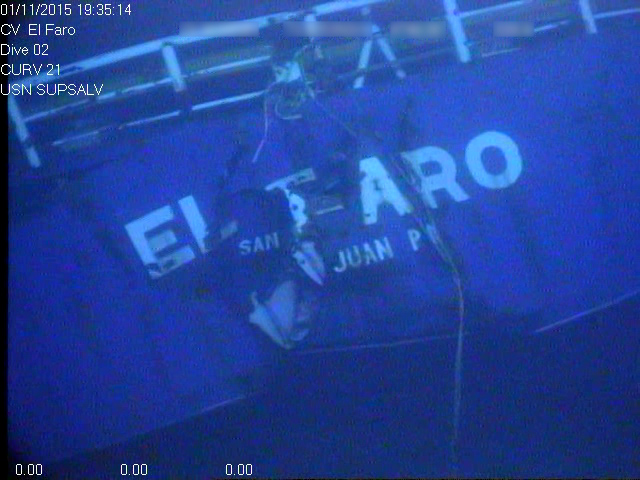
Cover: AI-generated editorial illustration informed by historical photographs of El Faro. This is an imagined scene, not an archive photograph or a reconstruction of the final moments. Interior image: El Faro’s stern on the seabed, U.S. Navy CURV video frame. The interior image is an unaltered archive image, public domain, via Wikimedia Commons.


Leave a Reply