It was the last morning before the half-term holidays. The children of Aberfan had every reason to expect an ordinary journey home. Then a sound came from the hillside above their school—and the adults who loved them began running towards it.
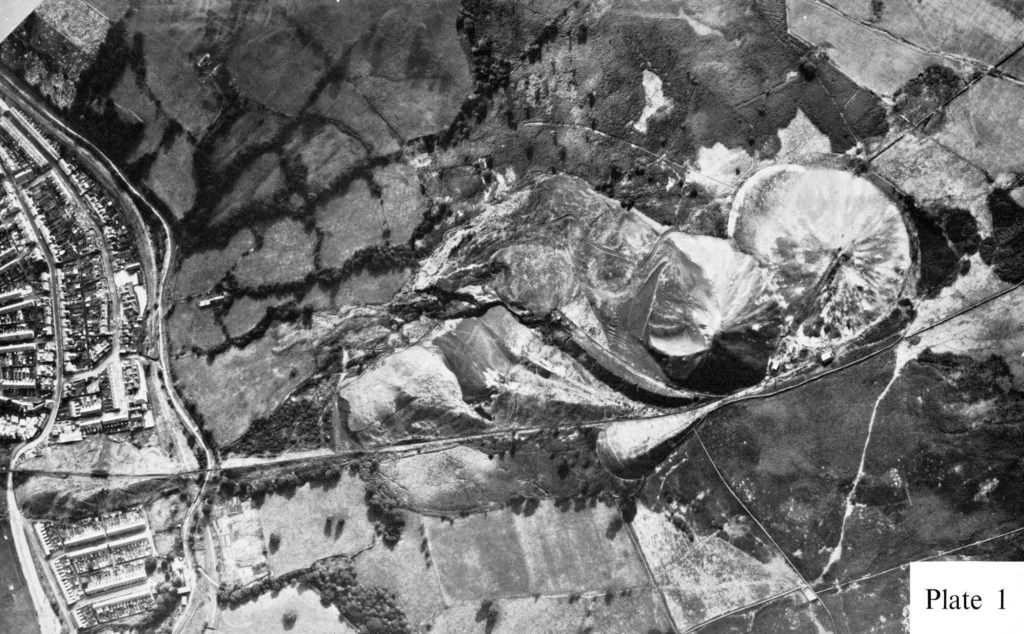
Cover photograph: Aberfan and its colliery spoil tips before the disaster, reproduced as Plate 1 in the 1967 official inquiry report. Unknown UK government photographer / Wikimedia Commons. Public domain; Crown copyright expired.
Friday Morning
On 21 October 1966, seven-year-old Brian Williams walked to school with his older sister, June. They stopped at the sweet shop on the way. Then they went to different parts of Pantglas Junior School.
June was ten.
It was the kind of separation that means nothing when a day is going to end as expected. One child goes this way, the other that way. There will be time to find each other again.
Above the Welsh village stood heaps of waste from Merthyr Vale Colliery. The material had accumulated on the hillside while the community below went about its life.
That morning, Tip No. 7 began to move.
The Sound Before the Darkness
Rain and water beneath the tip had turned part of the spoil into a mass that could flow. Coal waste rushed downhill, striking homes and the school. Lessons had only just begun.
The National Library of Wales records the scale of the response: thousands of people hurried to help. But the first people facing the emergency were children and teachers inside the buildings, with almost no time to understand what was coming.
Eight-year-old Jeff Edwards was among them.
In a later interview with ABC, he remembered being trapped beneath the wreckage. There was a pocket of air around him. He could breathe. He could hear other people.
As time passed, the voices became fewer.
It is difficult to read that recollection without wanting to hurry the story forward—to reach the moment somebody finds him. Jeff had to wait through it without knowing that such a moment would come.
The Boy They Could Still Save
Rescuers noticed his very pale hair among the debris. They began digging him out. He was carried away wrapped in a blanket, and became the last child rescued alive from the wreckage.
Years afterwards, he could still describe the sounds he had heard underground. Survival had given him a future. It had also left him with memories that would follow him into that future.
A photograph can capture the instant a child is brought out. It cannot show everything that must happen afterwards: learning to feel safe again, returning to school, growing older while remembering classmates who never will.
Those were not the only lives being changed around the ruins. Families were arriving, looking for one particular face. For each parent, the word “survivor” had to become a name.
Where Is Your Sister?
Brian escaped. June did not.
When he reached home, his mother asked where his sister was. He said he did not know. In the account he gave WalesOnline decades later, he explained that he had already understood what the destruction meant. He could not bring himself to take away his parents’ hope.
He was seven years old.
Among the adults killed was teacher David Beynon. His son Philip later recalled being told that his father had been found with children in his arms. Philip was thirteen. His father had dropped him at school that morning; it was the last time they saw each other.
The accounts give a terrible intimacy to a disaster usually described through its scale. A brother unable to answer his mother. A son remembering a lift to school. Everyday moments became the last moments shared.
The Danger Had Been There
The final toll was 144 people: 116 children and 28 adults.
An inquiry examined how this could have happened. The tribunal placed responsibility on the National Coal Board. As historian Iain McLean explains in his study of the evidence, the tip stood over springs marked on maps, and earlier slips had already demonstrated the danger.
Warnings and signs of instability had existed before the school was buried. The failure extended beyond the final movement of waste on the hillside; it included decisions about where to put that waste and how seriously to take the risks.
An explanation could establish responsibility. It could not give Brian another walk to school with June, or Philip another morning with his father.
The failure to act on warnings also runs through Herald of Free Enterprise: The People Who Reached Back—another disaster in which rescuers faced the consequences of safeguards that had failed.
What the Village Kept
At St Fagans National Museum of History, objects from Aberfan preserve details that a casualty list cannot. A clock stopped at 9.13. A chest of drawers came from the school. Football programmes were collected by the parents of six-year-old survivor Gareth Jones.
They are ordinary things. That is what makes them difficult to look at. Before they belonged to a museum account of disaster, they belonged to a school, a family and the daily life of a village.
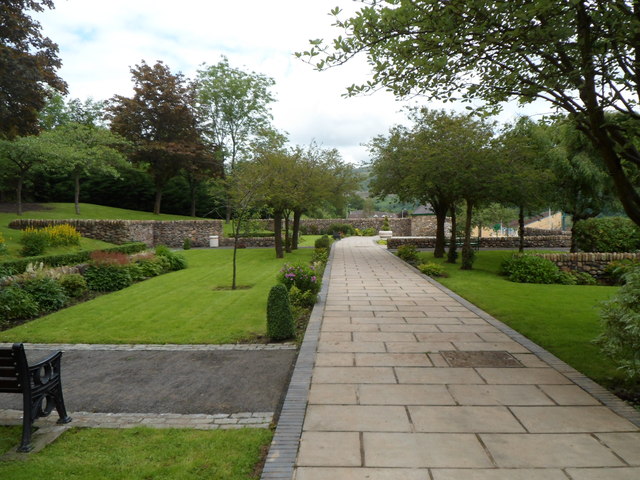
A memorial garden now occupies the former school site. People can stand there in the open air, where classrooms once held children waiting for the holidays.
On 21 October 2026, sixty years will have passed. Wales has been invited to observe a minute’s silence at 9.15 in the morning.
Sixty years is enough for a child to become a parent and a grandparent. It is enough for a whole lifetime of departures, reunions and ordinary afternoons.
For the children who died at Aberfan, none of those years arrived.
That Friday, they had gone to school. Their families had expected them home.
For another account of a rescue with desperately little time, read Empress of Ireland: Fourteen Minutes to Escape.
If this story moved you, please share it. Subscribe to Dark Stories for more carefully researched stories about the people behind history’s headlines.
Sources
National Library of Wales: background and inquiry material; WalesOnline: firsthand accounts from Brian Williams and Philip Beynon; ABC: interview with survivor Jeff Edwards; Iain McLean: the inquiry and responsibility; Museum Wales: objects preserved from Aberfan; Welsh Government: the sixtieth anniversary; Cadw: the memorial garden and former school site.


Leave a Reply